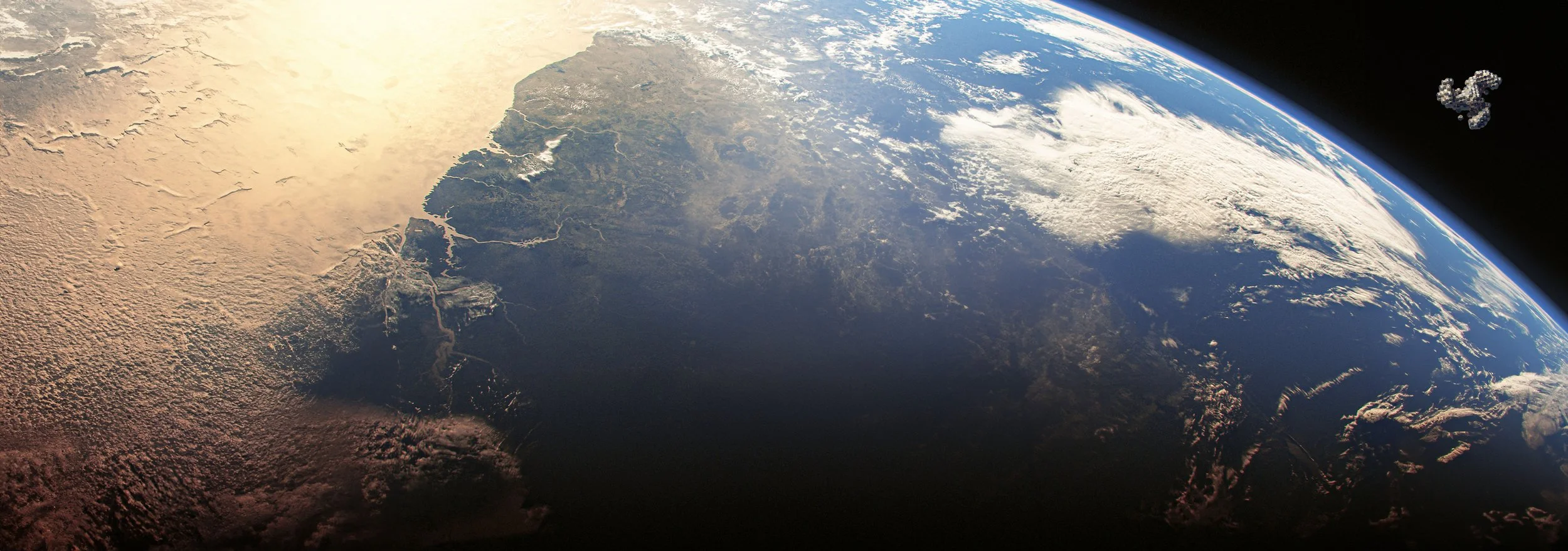


The Aurelia Prize returns with a $100,000 grand prize and a new challenge to create imaginative and technically rigorous visions for lunar settlements.
How might we design lunar settlements that expand humanity’s access to space: homes, labs, and factories on the Moon that benefit life across the Earth-moon system?
Entering its second year as a global design competition, the Aurelia Prize invites designers, architects, and engineers from around the world to answer this question with imaginative and technically rigorous visions for lunar settlements that center utility, comfort, exploration, scientific excellence, and human dignity above all.
Submissions are open through January 15, 2027 for architectural concepts of any form — surface bases, orbital stations, live-in rover fleets, energy infrastructure, mining outposts, civic spaces, or something no one has proposed yet — that advance a bold, yet feasible, vision of sustained human presence on the moon.
“We launched the Aurelia Prize last year in honor of the 1975 NASA Summer Study, with the idea of continuing that tradition of far-reaching design concepts that thoughtfully address the practical needs and complex challenges of becoming a spacefaring society,” says Ariel Ekblaw, founder and CEO of Aurelia Institute. “Our jury was profoundly impressed with the response, and with the depth and rigor of the submissions in our first prize cycle. I’m very excited to see what unique new designs and concepts we spark this year. Though famously a ‘Harsh Mistress’ as Robert Heinlein once wrote, the moon is incredibly fertile ground for innovation in architecture, design, manufacturing, and engineering — and there’s never been a better time to think pragmatically about what we want to build on the moon, and how.”
The winning entry of the 2027 Aurelia Prize will receive a cash award of up to USD 100,000, shared across team members.
Winning and finalist teams will be announced at the annual Beyond the Cradle Conference, where they are also invited to attend and present on their design.
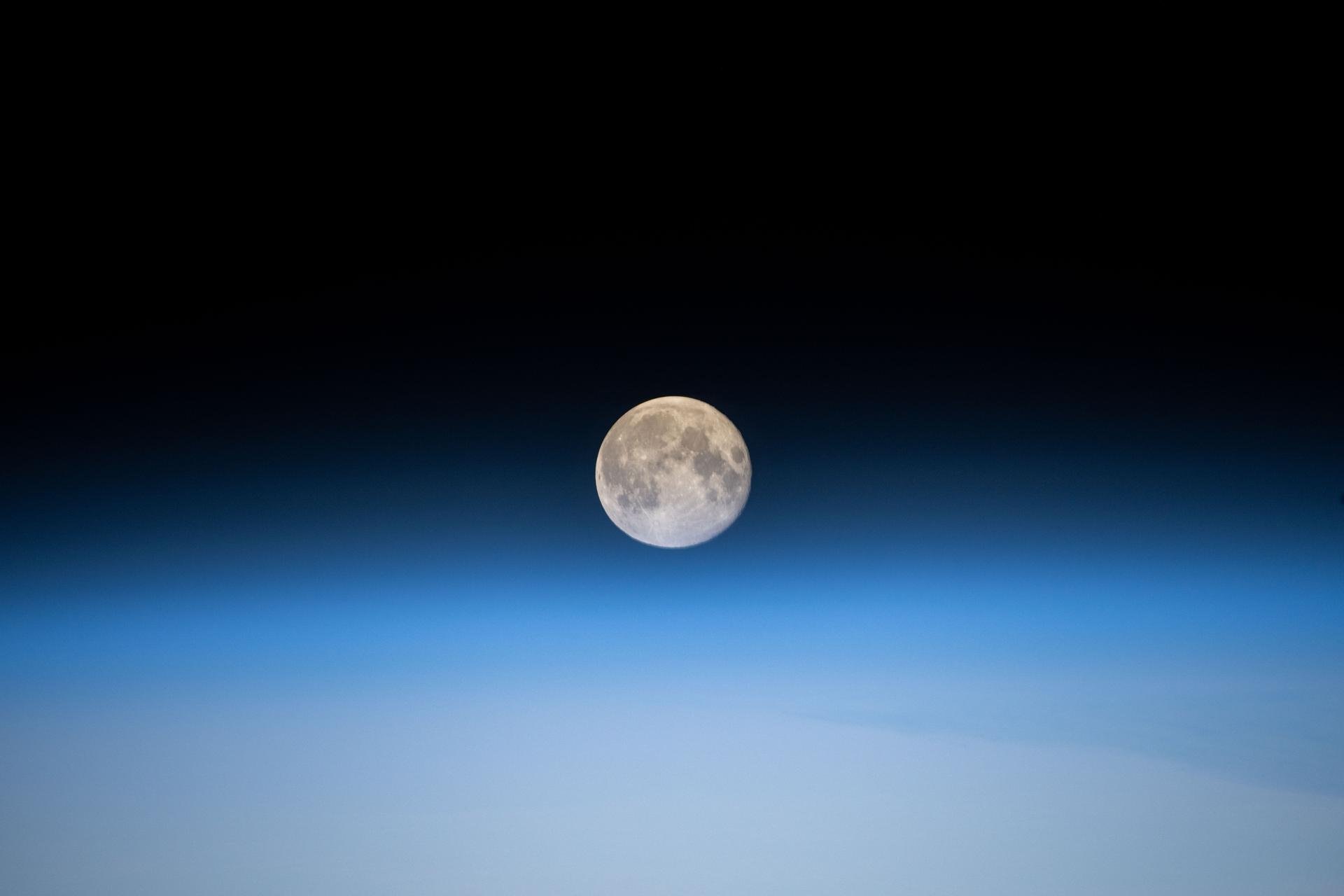
Image credit: NASA
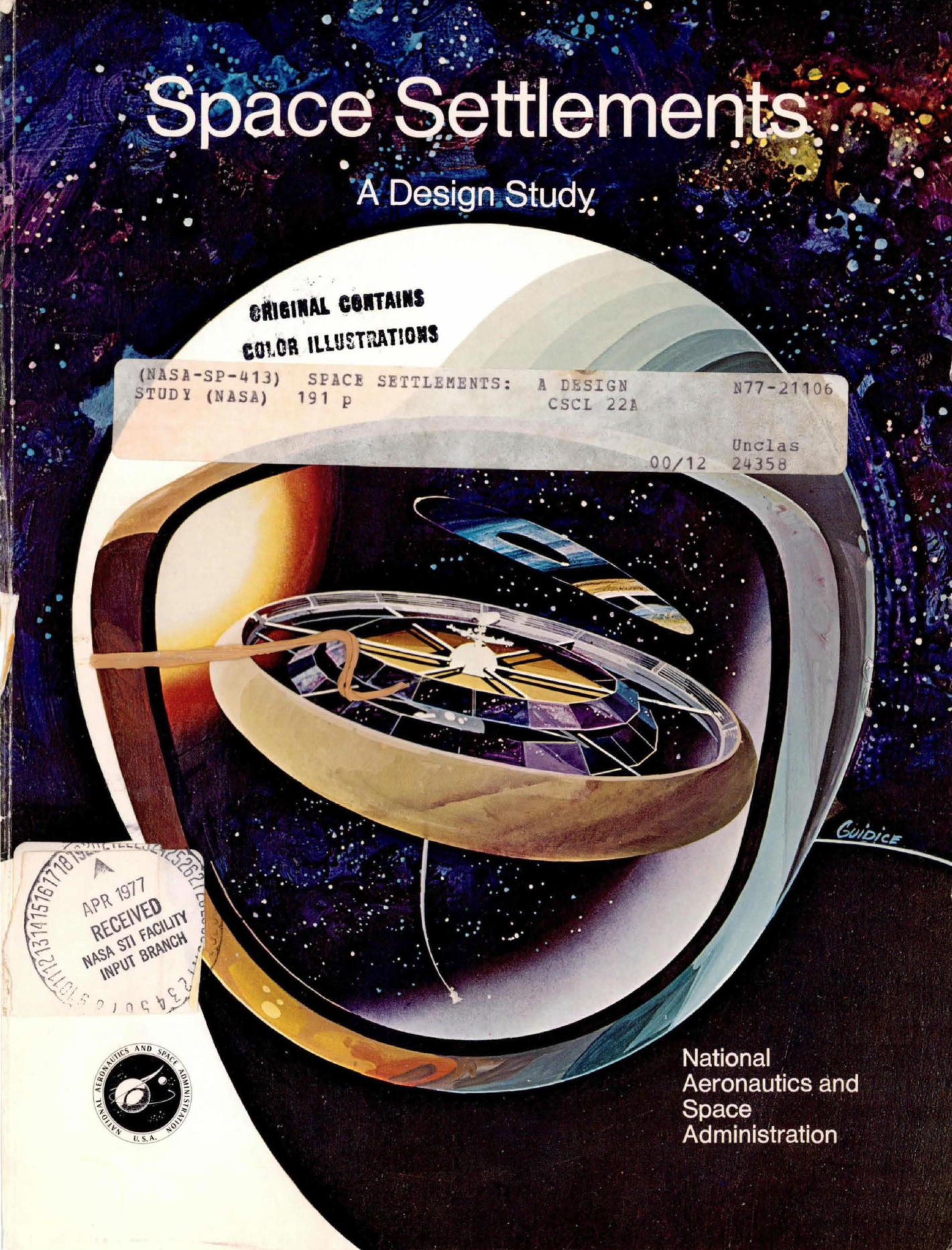
Carrying forward the vision of the 1975 NASA Summer Study
In 1975, the NASA Summer Study brought together agency and academic experts to develop an ambitious, aspirational, and technically rigorous plan for space-based, urban-scale human settlement in the near neighborhood of Earth. The 10-week study resulted in technical papers, artists’ renderings, and bold but well-considered concepts for settlements that aimed to create a habitable environment at scale.
Fifty years later, as the world returns to the Moon through the Artemis program, China’s crewed mission ambitions, and a growing field of commercial and international lunar initiatives, humanity is taking on a mission of equal ambition: how will we actually live on the Moon, at scale?

Read on for more details about the competition, and submit your vision for lunar urbanism here.
Competition & Prize Details
Eligibility, deadline, and entry fee
The Aurelia Prize in Design for Space Urbanism is open globally to entrants aged 18 or over at the time of submission. Submissions must meet the following criteria:
Materials must be submitted in English.
Submissions may be made by individuals or teams, with no maximum team size, and are limited to one entry per individual or team.
Submissions are limited to one entry per individual or team.
Students currently enrolled in an undergraduate program can submit for free (proof of status required).
All other individuals and teams (whether graduate-level, professional, or freelance) must pay an entry fee of USD 200.
Any use of AI in any part of the design or description must be clearly identified (note the tool, prompts, and results).
Submissions are accepted online until January 15, 2027 at 23:59 GMT.
Questions? Visit our FAQ for more details, and contact us here.
Aurelia Institute does not claim ownership of any intellectual property submitted to the Aurelia Prize in Design for Space Urbanism; all ideas and submission content remain the property of the submitting team and will be used solely for purposes related to administering and promoting the prize.
Submission instructions
Submissions must include the following:
One primary, “hero” image of an architectural concept, and up to six additional images. These can be drawings, photographs, diagrams, collages, or renders; they can also be laid-out boards with minimal captions.
A text description of the project, no longer than 500 words, explaining what it is, who and what it is for, how it is envisioned to work, and what it contributes to the future of lunar urbanism. A one-page addendum must include citations that acknowledge the field of prior work.
One site, three phases, and three scales. These are explained below, and should be used as framing devices for the concept’s narrative and imagined impact.
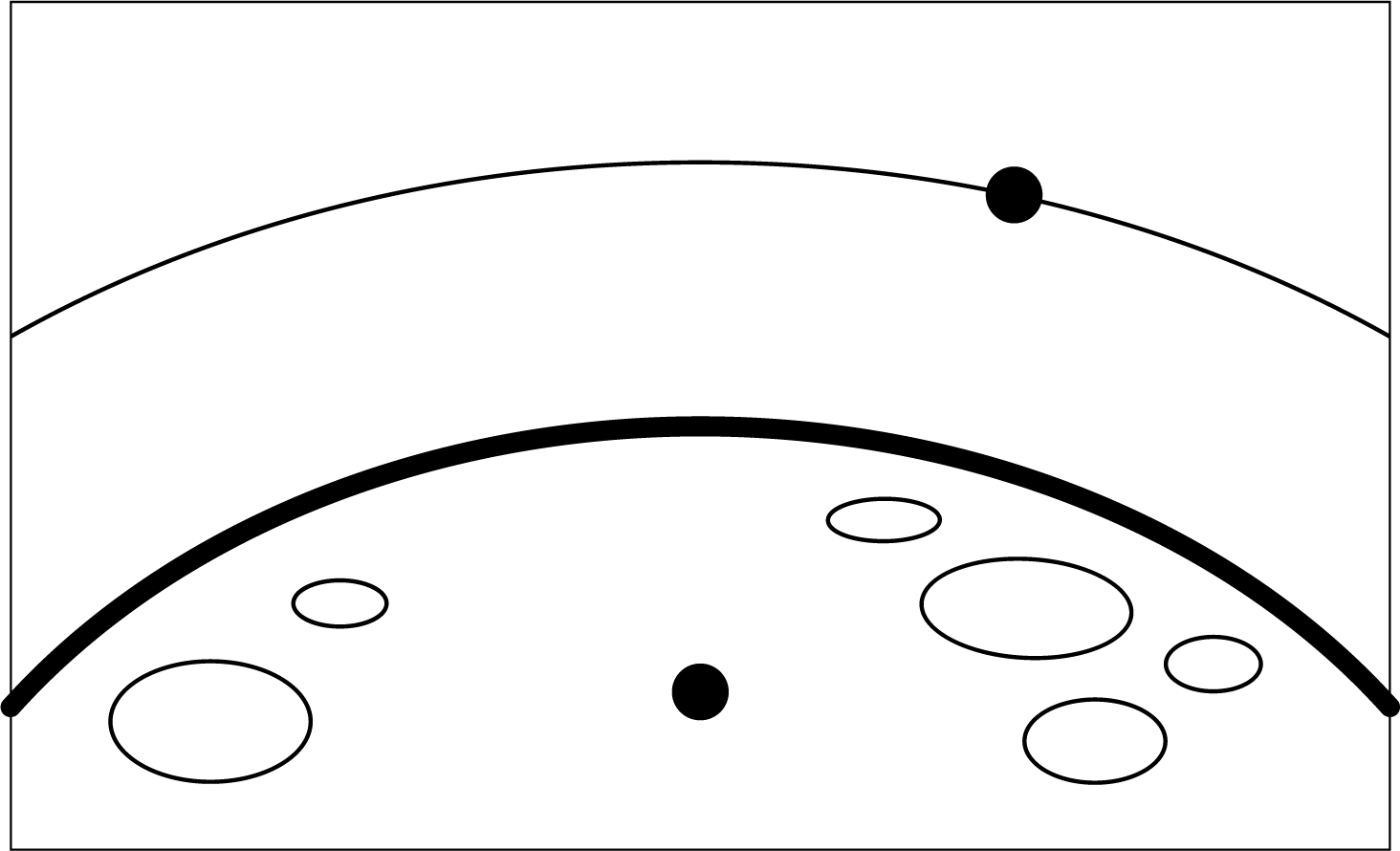
SITE: Projects may be on the lunar surface, in lunar orbit, or may span both. Submissions must identify the site and address its unique context (gravity, radiation, access, dust, debris, solar exposure, etc...)
PHASES. Projects must depict three phases of development: Year 1, Year 10, and Year 20. Each phase must show population size as well as pressurized volume, power, and mass estimates.
SCALES. Projects must visually represent three scales: (1) the human and/or machine, (2) the building or structure, and (3) the neighborhood-scale infrastructure. Visuals should address both ‘daily life’ moments and system flows.
Context & references
Lunar urbanism is not a novel topic; entrants may wish to reference one or more of the following projects, and show how they are moving beyond them, when developing their submissions.
Counterpoint: A Lunar Colony, John Dossey and Gui Trotti (1974)
NASA’s Moon Base plans and Moon Base Architecture Users Guide
ESA’s Moon Village & the Moon Village Association
ICON Project Olympus / NASA MMPACT
A one-page addendum to all submissions must include citations that acknowledge the field of prior work.
Selection criteria and judging
A panel of world-leading designers, architects, astronauts, and engineers will judge all entries according to the following criteria:
Creativity: the design is novel and original, and takes a clever approach to solving a problem or achieving a goal.
Rigor: the design accounts for its context — lunar environmental conditions, power, mass, logistics, and the realities of the site chosen.
Coherence: the human, building, and neighborhood scales are all present, and design decisions connect between them.
Viability: the design must not violate the laws of physics. Assumptions about emerging technologies and materials are named.
Presentation: the submission is neat, well-explained and artfully done, is legible to general audiences, and does not violate word count or image limits.
Purpose: the design leverages space for the public good, and makes a clear contribution to a positive future for humanity.
Each criterion is scored 0–5 and weighted equally.
Prize
The winning entry of the 2027 Aurelia Prize will receive a cash award of up to USD 100,000, shared across team members and disbursed over several stages.
The winner(s) and finalists will be invited to Aurelia Institute’s Beyond the Cradle conference at MIT in April 2027.
The winner(s) may also be invited to join a future parabolic research flight with the Aurelia team.
The winner(s) and finalists may also be invited to participate in workshops, panels, and events within Aurelia Institute’s network.

Meet the Judges

President, Norman Foster Foundation
Founder and Executive Chairman, Foster + Partners
Over five decades, Norman Foster’s work has spanned masterplans, infrastructure and civic buildings, from Beijing Airport to the Millau Viaduct. His foundation promotes interdisciplinary research to help new generations of architects and urbanists anticipate the future. Lord Foster was elevated to the peerage in 1999 and leads the Forum of Mayors for the United Nations.

NASA Astronaut Emeritus
Victor J. Glover, Jr. was selected as an astronaut in 2013. He most recently served as Pilot of NASA's Artemis II mission around the Moon in April of 2026, a nearly 10-day journey that took them 252,756 miles from home at their farthest distance from Earth. Glover transitioned to emeritus status in September 2026.

Senior Curator of Architecture and Design and Director of Research and Development, MoMA
Paola Antonelli's work bridges design, art, science, and technology. Named one of TIME's 25 most incisive design visionaries, she produces MoMA's R&D Salons to demonstrate the potential of museums as R&D departments for society, and co-founded the podcast Design Emergency with critic Alice Rawsthorn.

Author
Adrian Tchaikovsky is a British science-fiction and fantasy writer known for the Children of Time, Final Architecture and Shadows of the Apt series, as well as standalone books such as Shroud, Alien Clay and Service Model. His work has won the Arthur C Clarke, British Fantasy, BSFA and Sidewise Awards.

President, Trotti & Associates, Inc.
Guillermo Trotti is an architect and industrial designer who has sailed around the world. He co-founded SICSA at the University of Houston, and the Space Architecture and Extreme Environments master's at Arizona State University. His thesis "Counterpoint: A Lunar Colony" is held by the Smithsonian.

CEO, Aurelia Institute
Dr. Ariel Ekblaw is the founder and CEO of Aurelia Institute, where she strives to bring humanity’s space exploration future to life. Through architecture R&D, education & outreach, and policy thought leadership, she is building a remarkable team to expand humanity’s horizons and scale life in space.