
MEDIA
The latest from Aurelia Institute
Featured Story
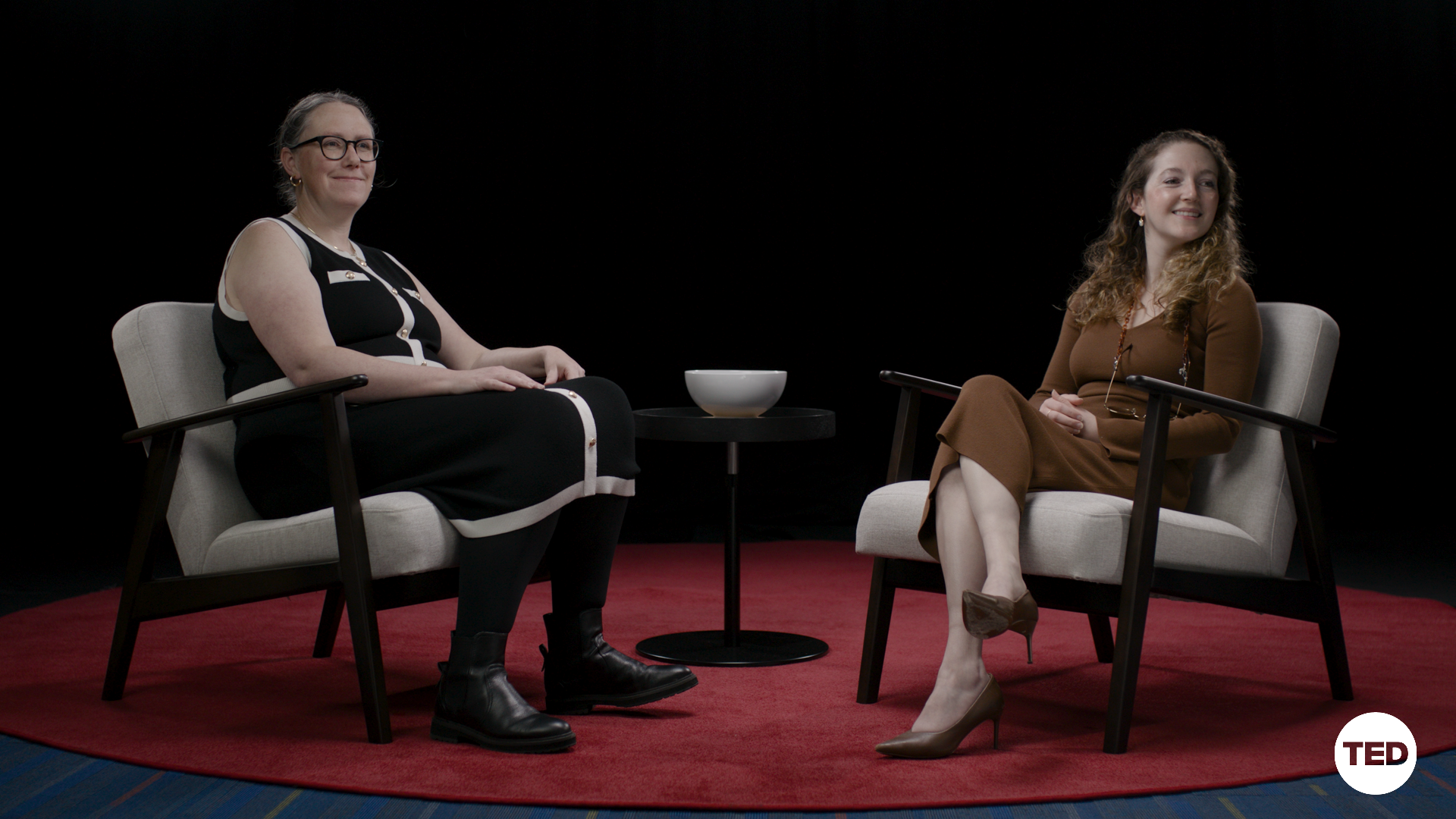
TED Talk | Is space the “final frontier” — or the perfect place to revolutionize life on Earth? Space architect Ariel Ekblaw reveals how self-assembling structures could build orbiting real estate in space dedicated to solving humanity’s greatest dilemmas on Earth, leading to scientific and medical breakthroughs only possible in zero gravity.
News & Media
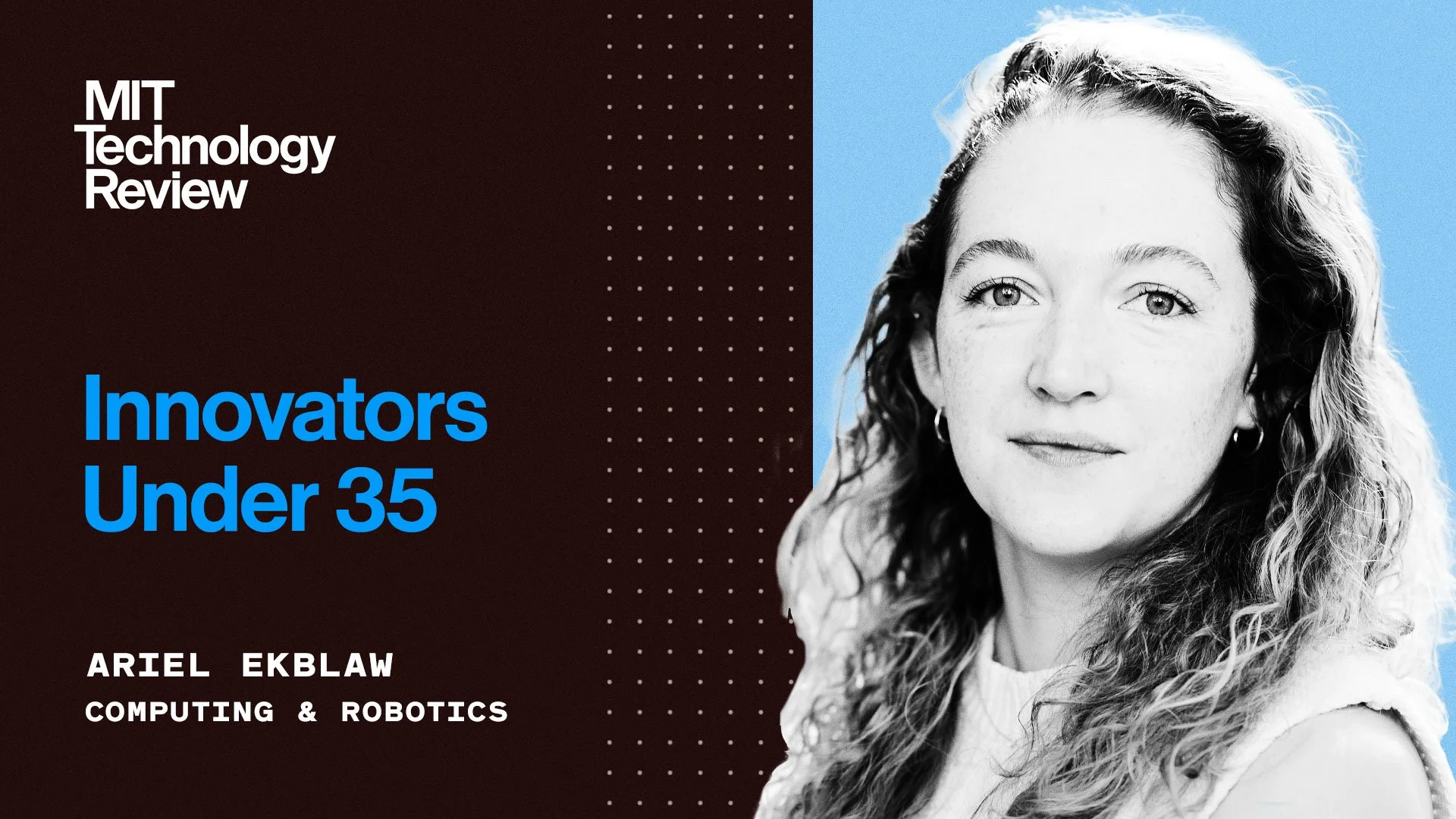
MassLive | Ariel Ekblaw named to MassLive's 25 most influential Massachusetts innovators — leaders who are advancing fusion energy, artificial intelligence, robotics, biotech, clean energy and more.
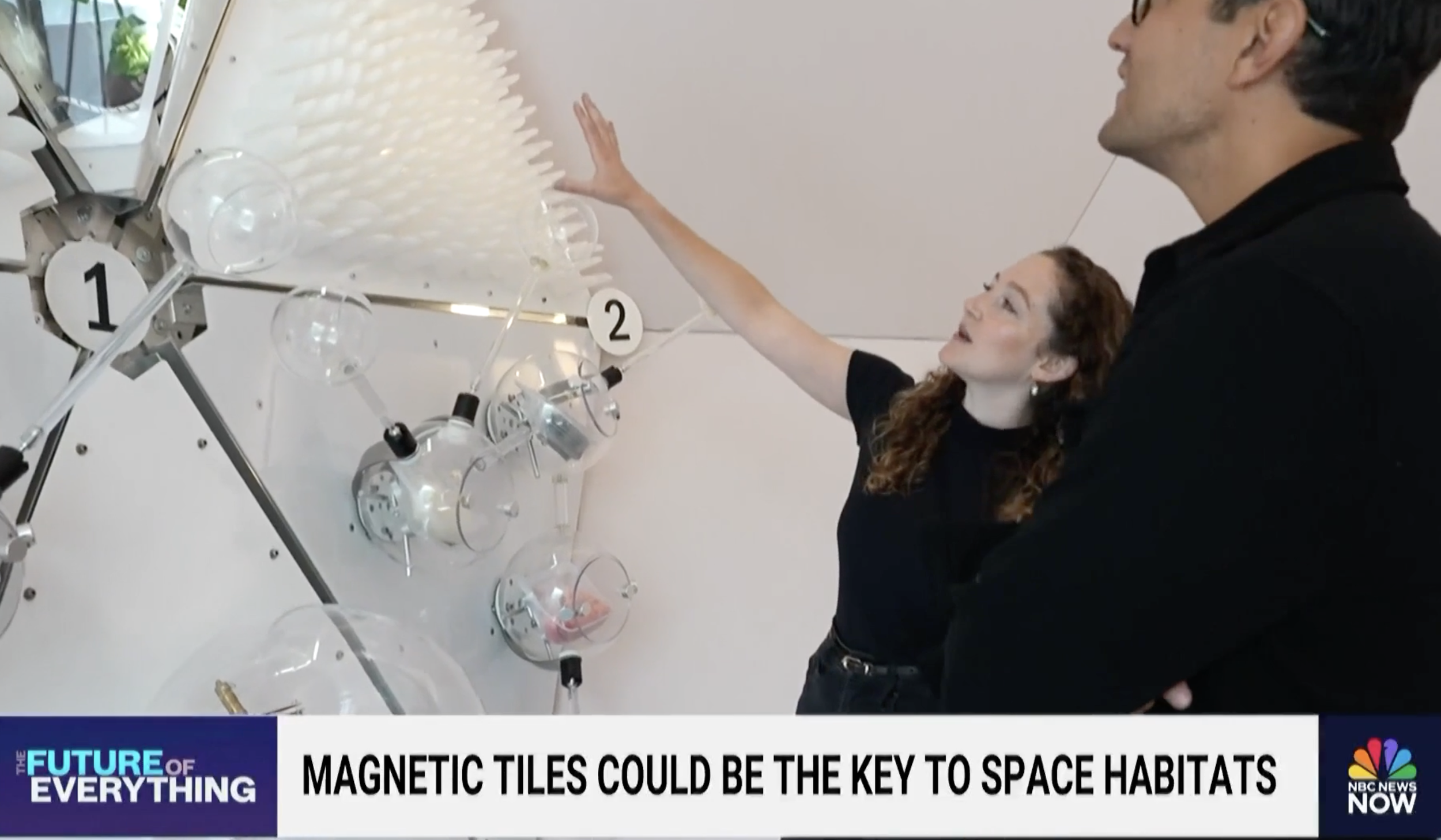
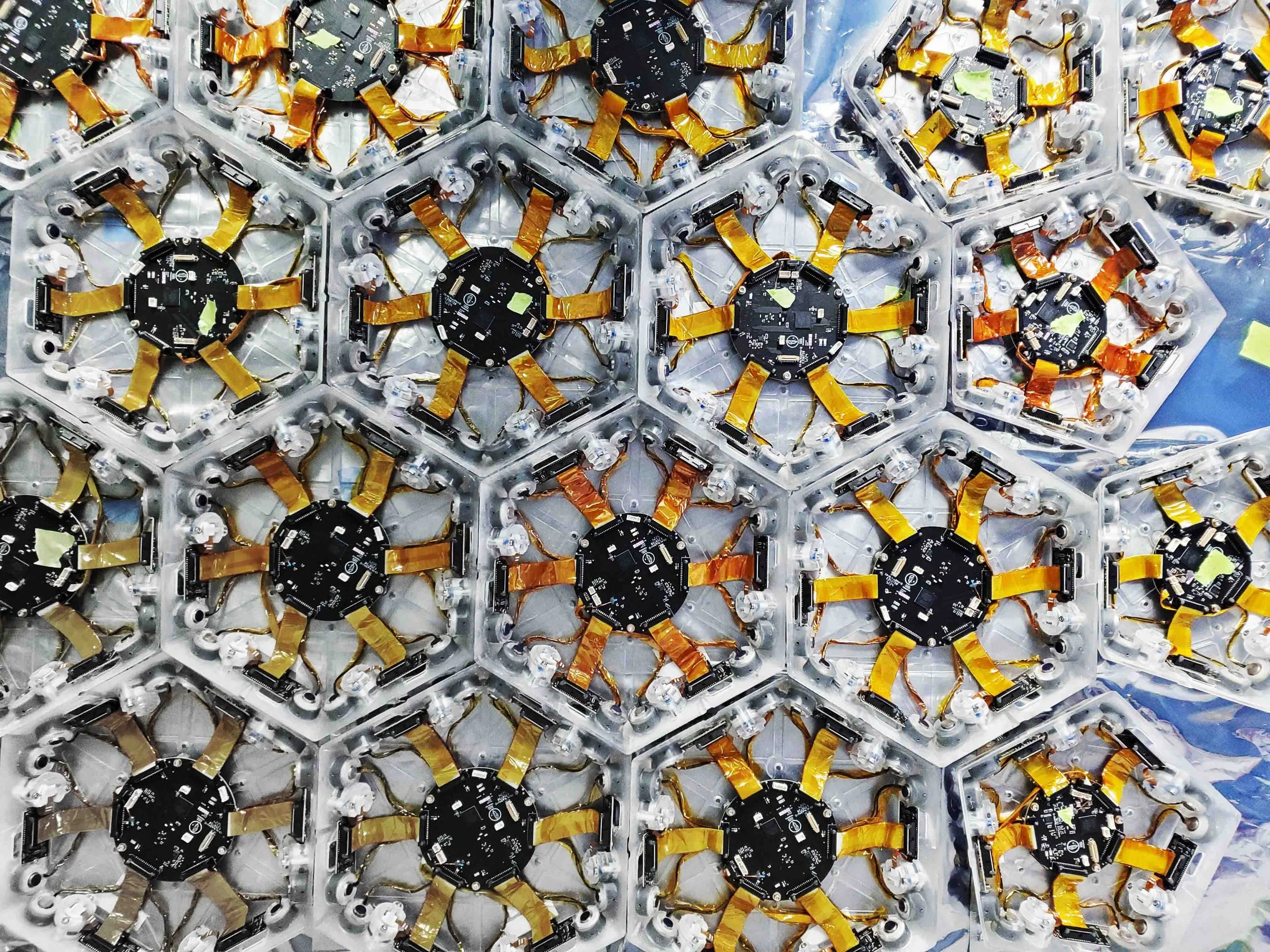
MIT Media Lab | Ariel Ekblaw's TESSERAE project, developed during her PhD at the MIT Media Lab, is reimagining how humanity will live and work in space.
Aspen Ideas Festival | Ariel Ekblaw joins Rebecca Hu-Thrams and Tammy Ma to discuss the big bets that could redefine how humanity powers and sustains the future.
CNN | Ariel Ekblaw discusses Orbital Biolab, in-space manufacturing, and scaling up space infrastructure on Fareed Zakaria GPS.
Aurelia Posts
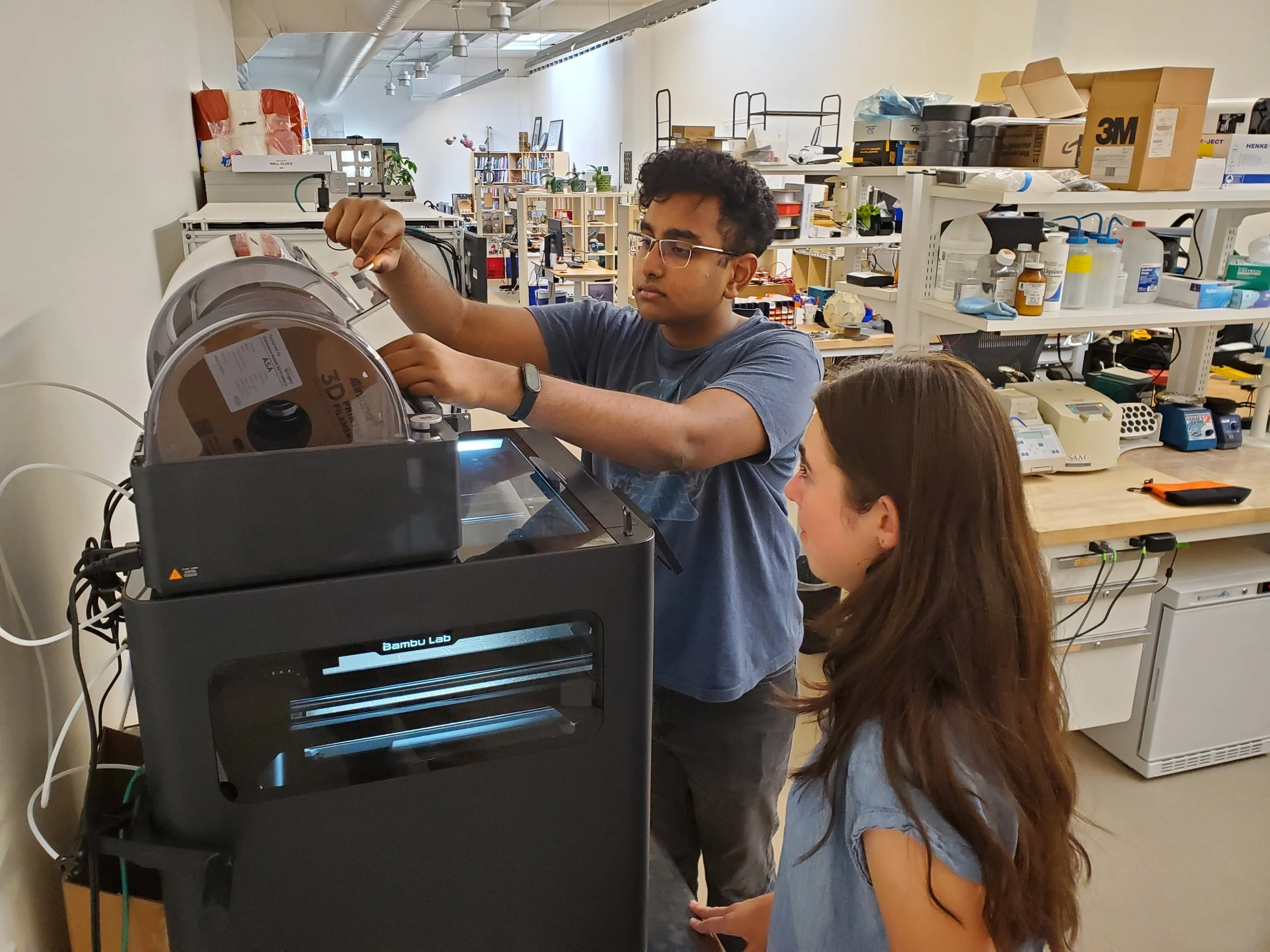
Aurelia Institute was proud to host four students to work on a number of core engineering, design, and business projects.
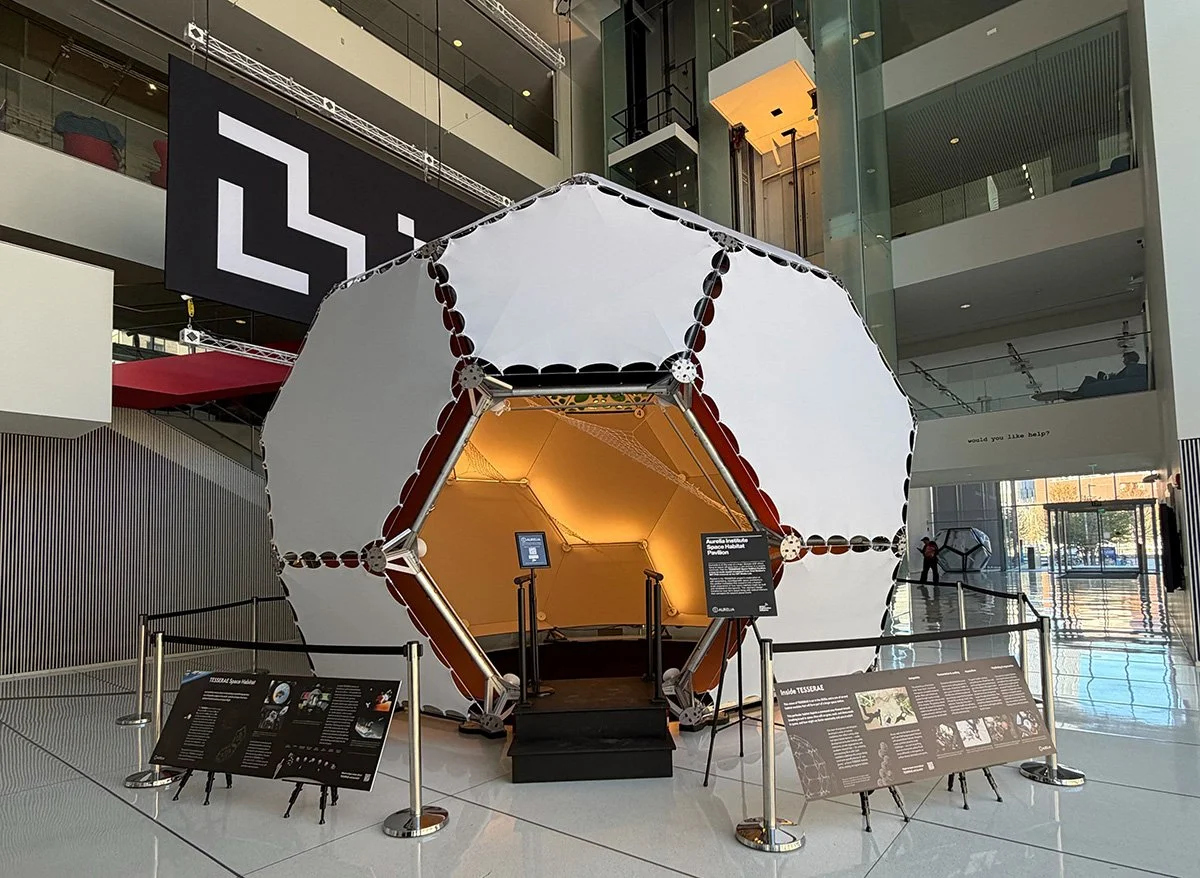
The Pavilion is newly installed in the MIT Media Lab, which hosted this year’s Beyond the Cradle event.
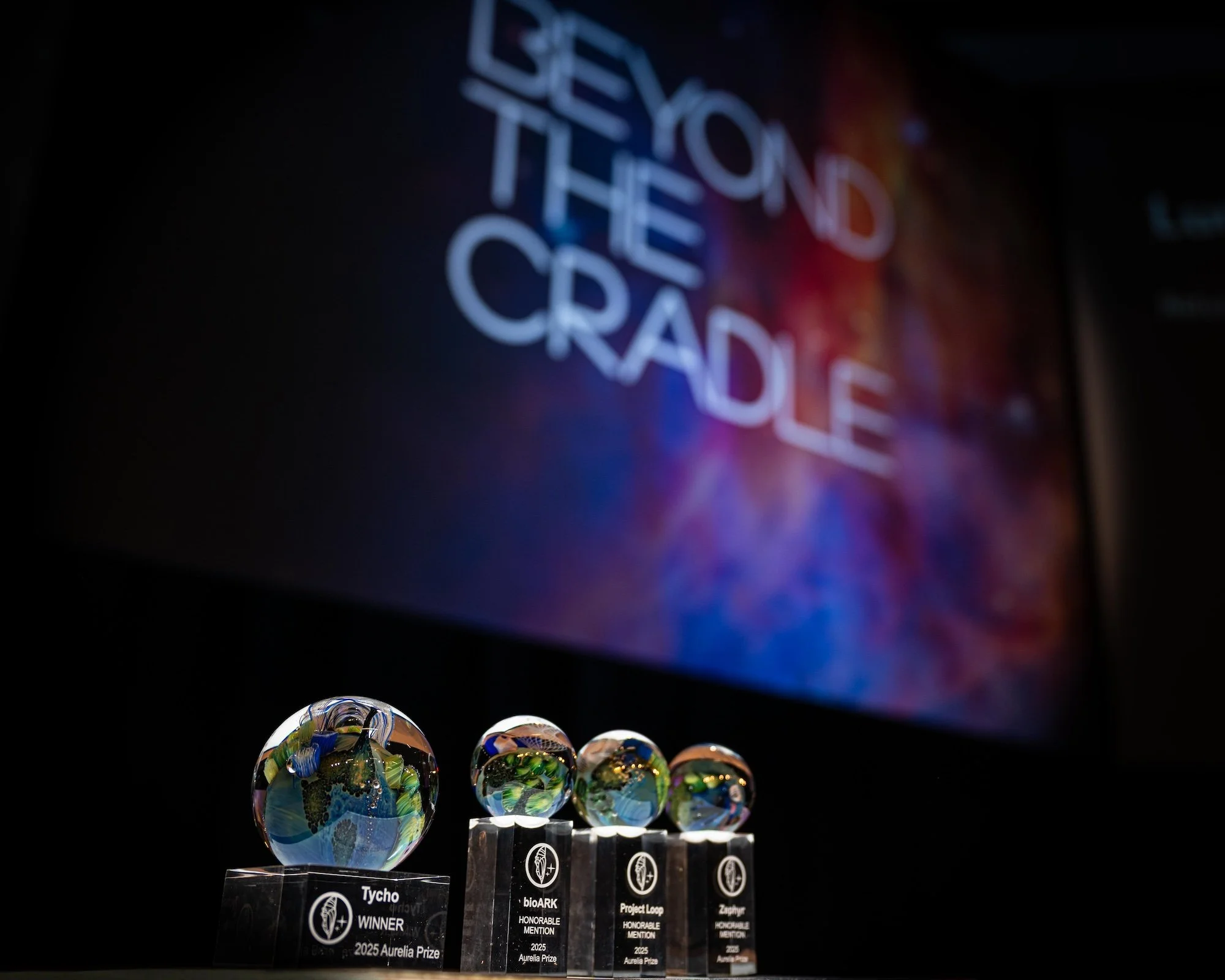
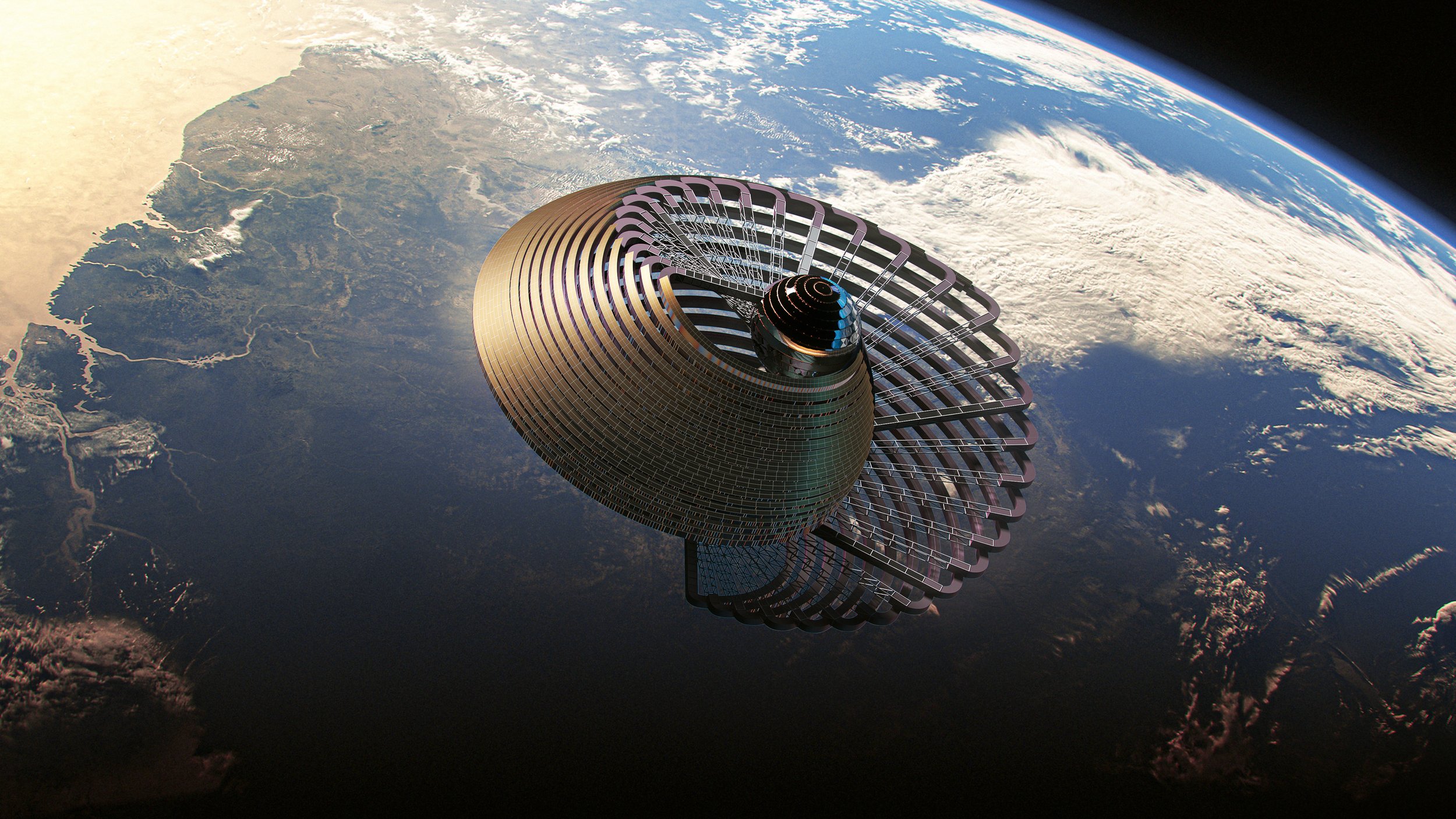
Aurelia Institute awards Tycho the $20,000 global design competition’s top prize for designer Will Root’s scalable architecture for permanent human civilization in orbit
How can we design future space stations, lunar settlements, and orbital industries to make space work for humanity?
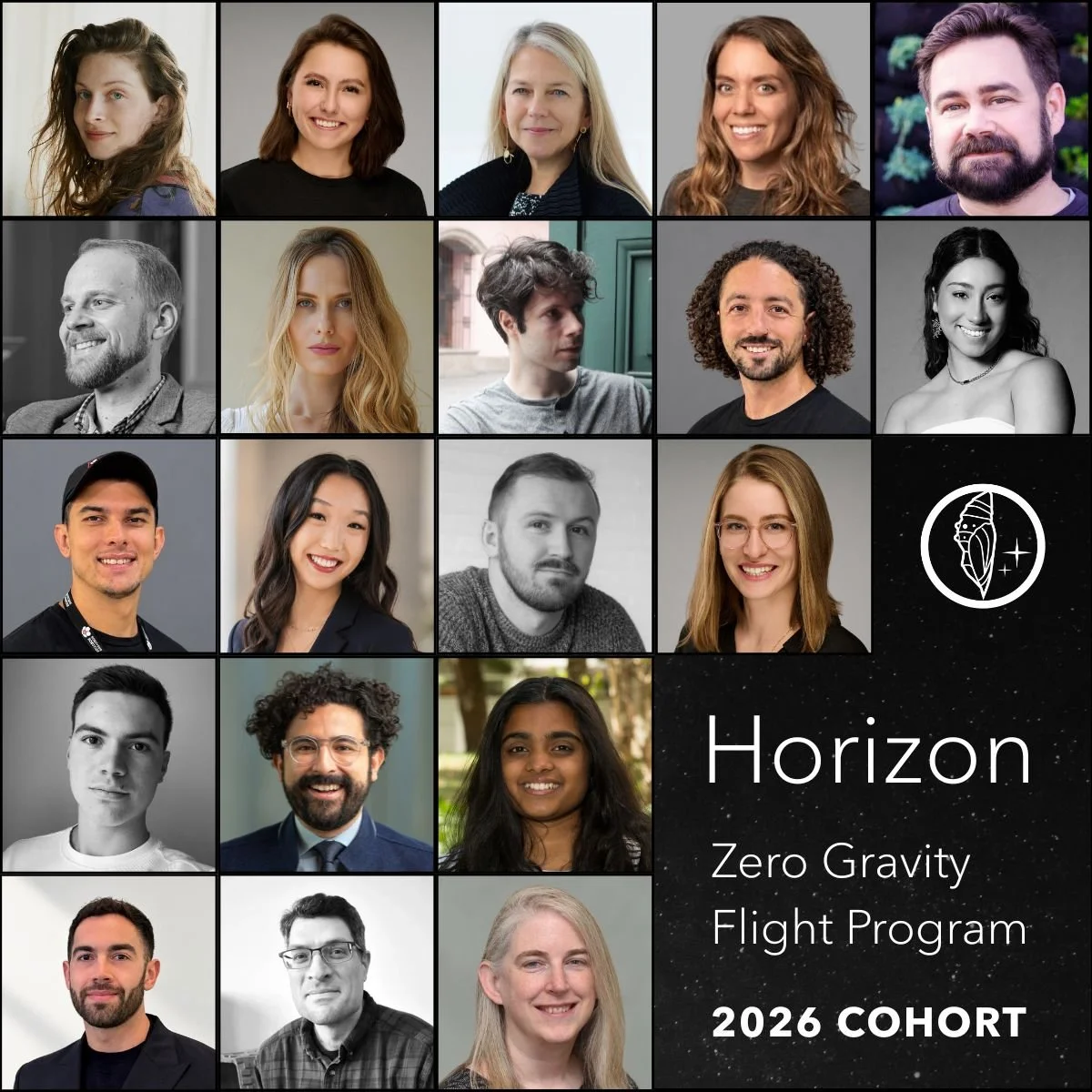
Aurelia is setting its sights on scaling up therapeutics and biotech manufacturing in microgravity using TESSERAE habitat technology
Stay up to date with the latest on what we do at Aurelia via our email newsletter.
Image Gallery
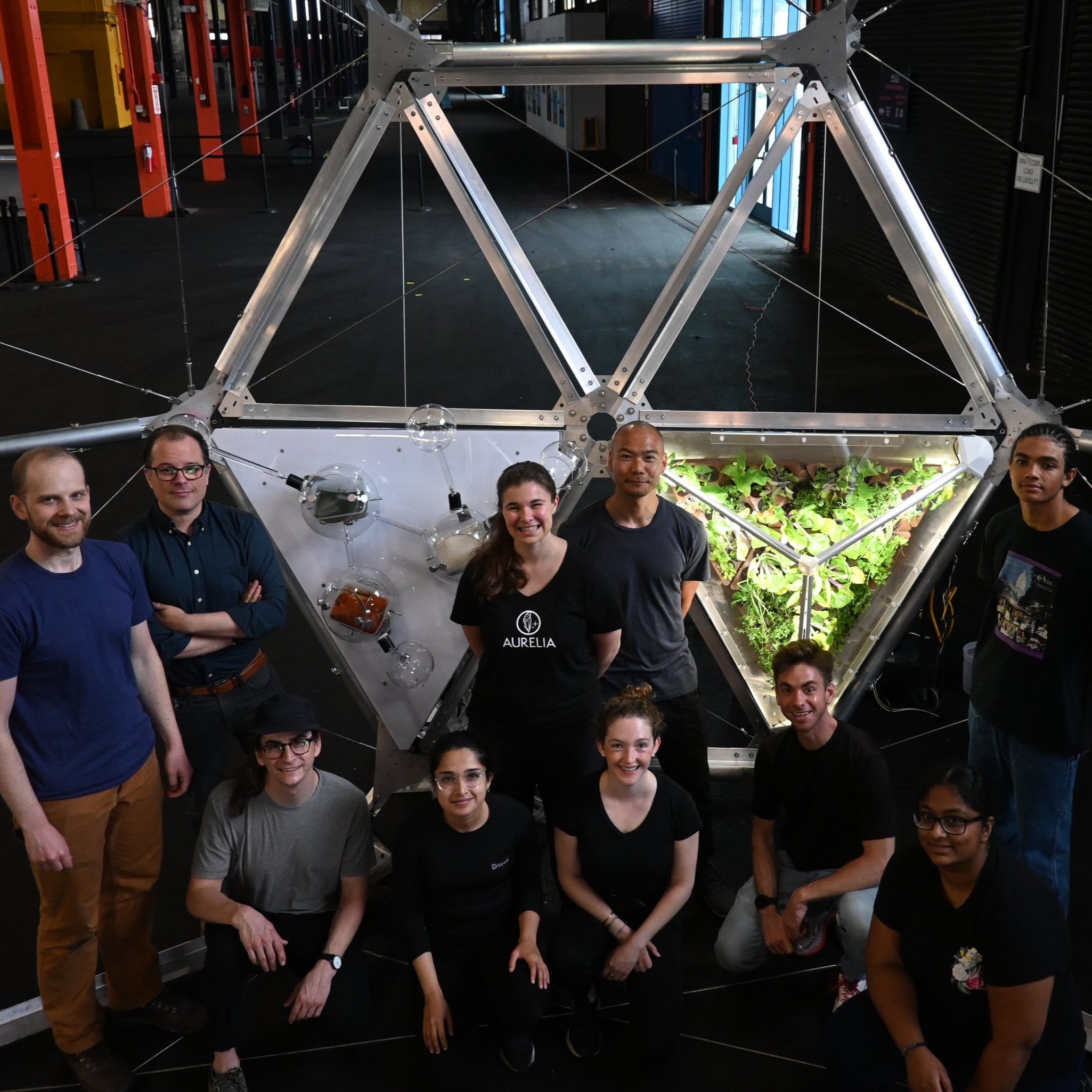
The Aurelia team with the life size TESSERAE space habitat mockup
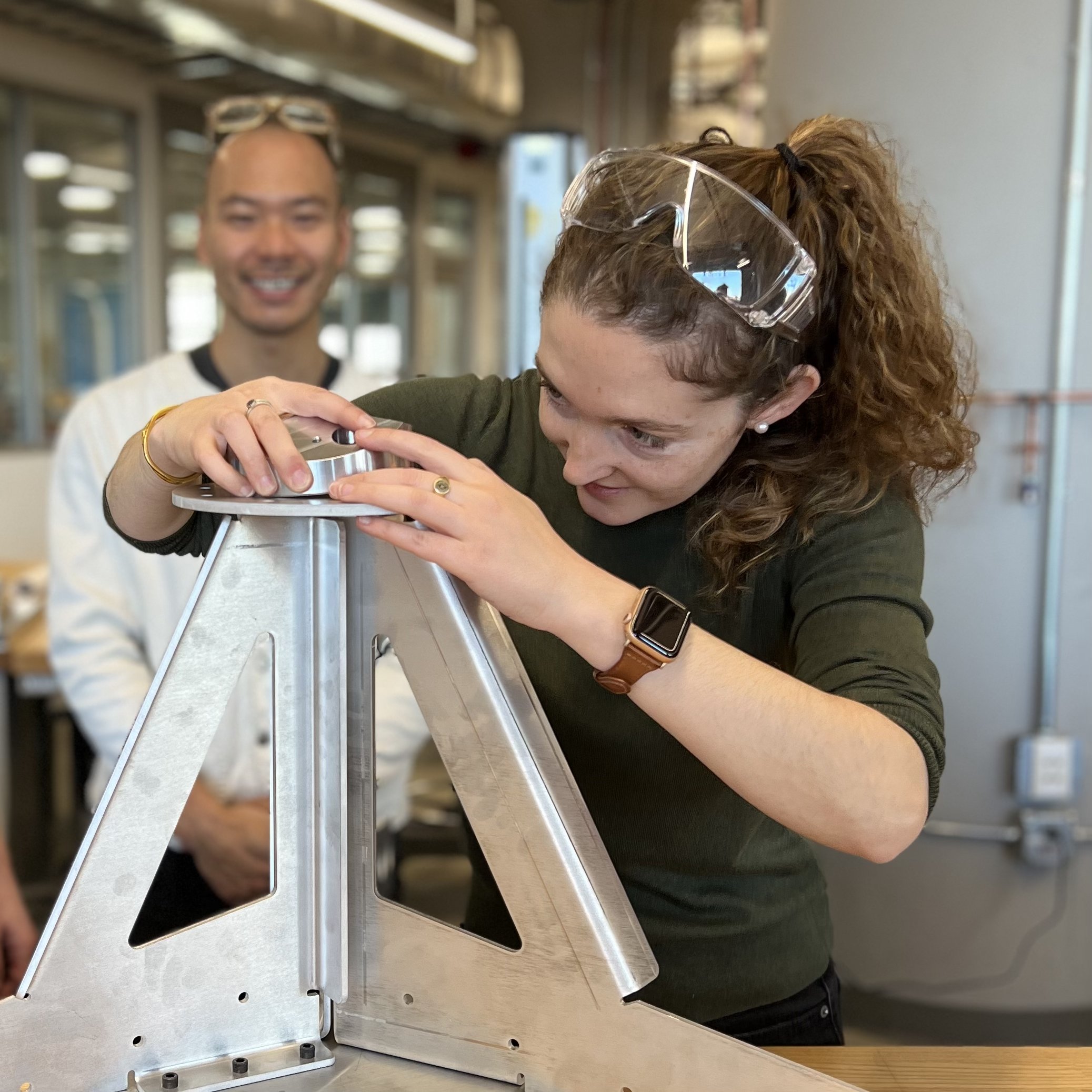
Fabricating and building at the Autodesk Technology Center Boston
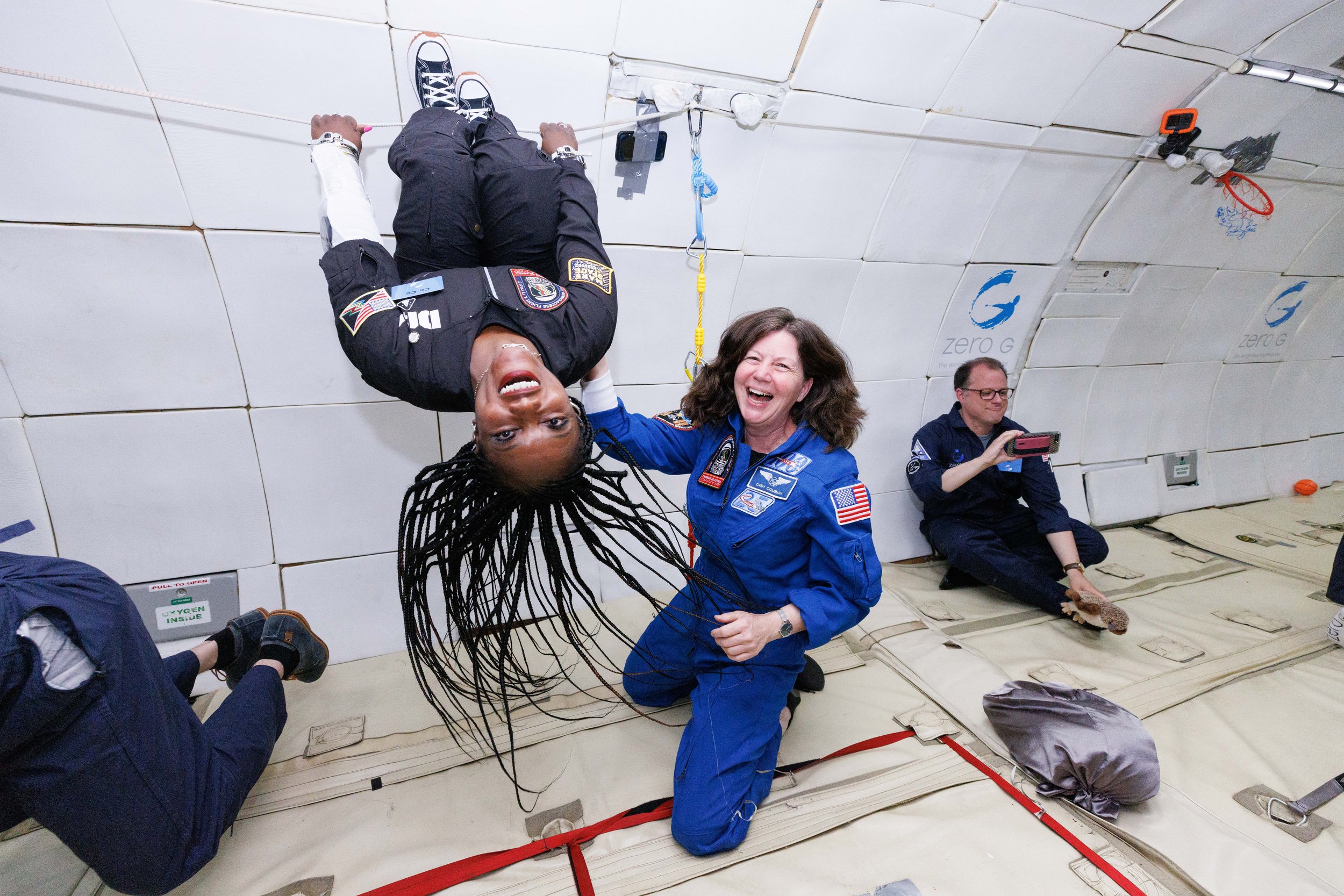
Testing zero-g orientation during the Aurelia Horizon 2022 flight
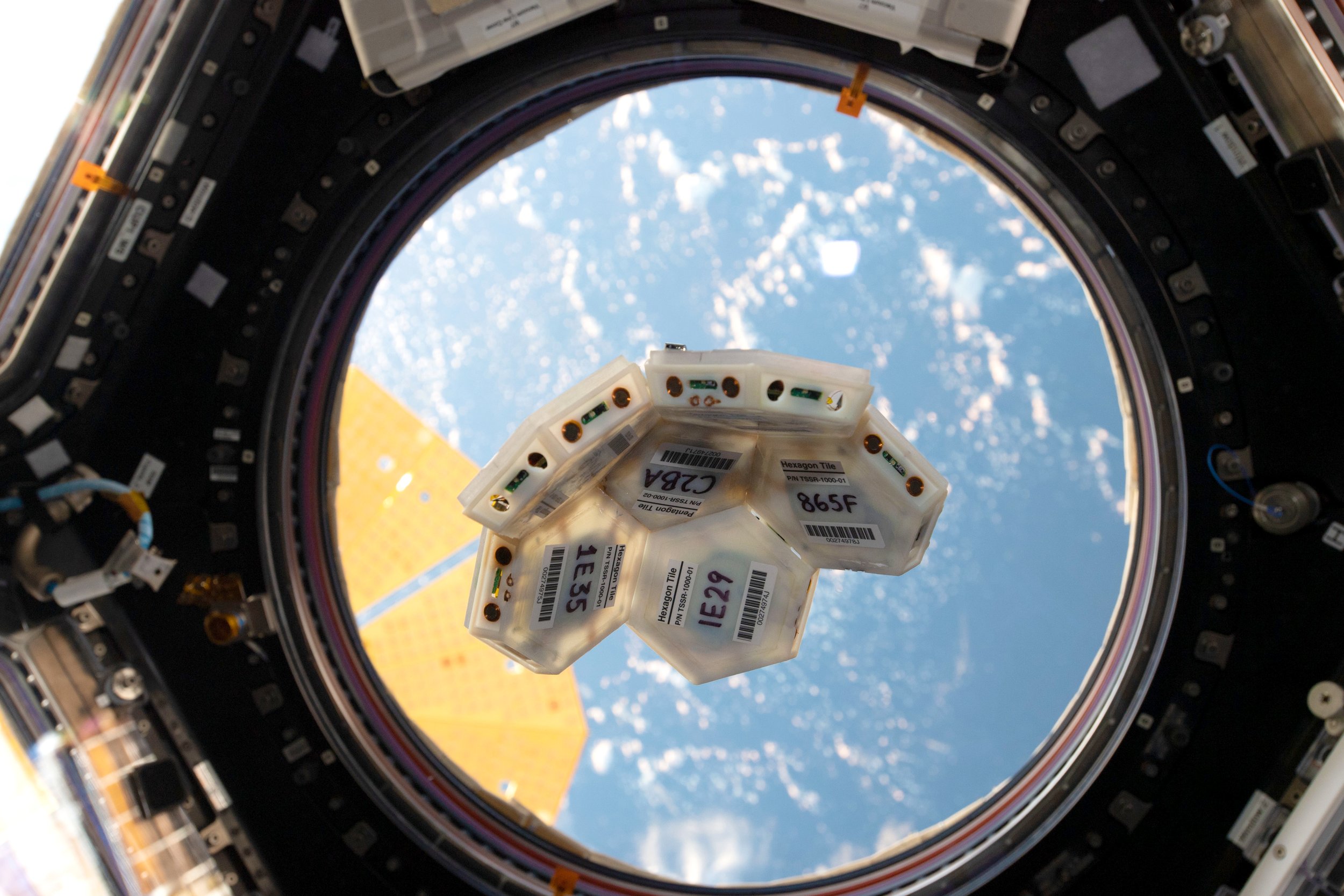
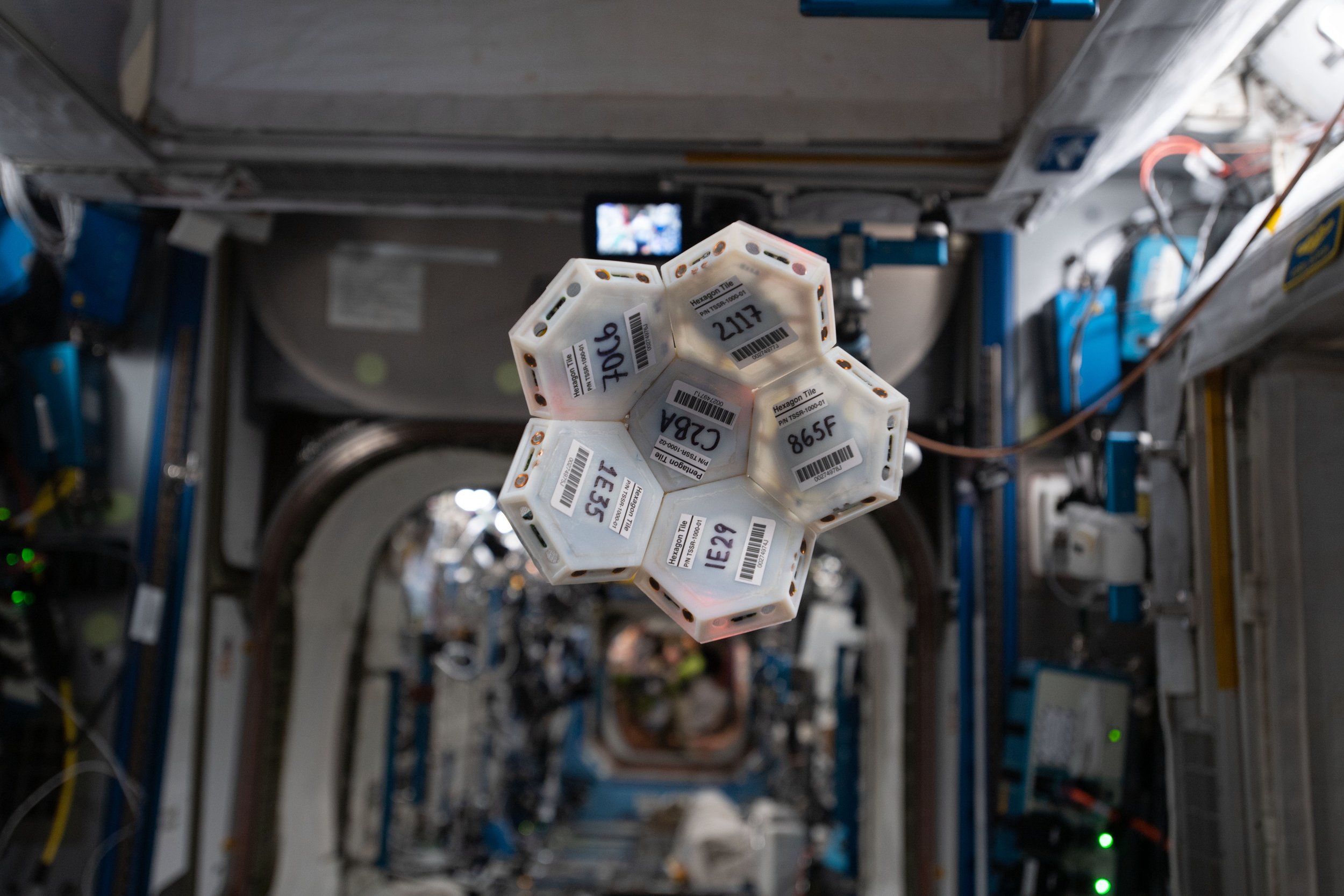
TESSERAE in the ISS cupola — photo taken during the Axiom-1 mission